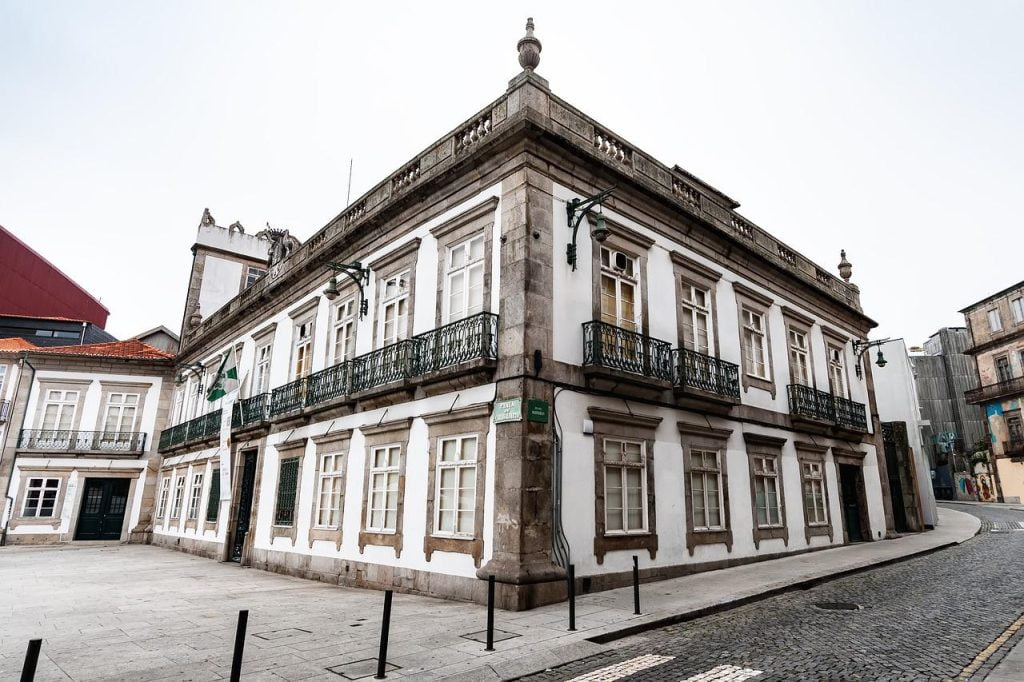
Real estate in Portugal — whether in Lisbon, Porto, the Algarve or the surrounding areas — remains a strongly rising market. In 2025, prices increased by 18%, and projections for 2026 anticipate a further 15% rise according to Fitch. This upward trend, combined with personal reasons, may lead you to sell a property in Portugal. Whether it is a house, a villa or an apartment, you will face a number of steps and options that are worth preparing for in advance. Selling a property in Portugal must be done properly, and good support makes all the difference.
Article updated March 2026 – fees, tax and documents verified.
In short: 2025–2026 are particularly favourable years for sellers in Portugal, with a cumulative price increase of over 30% in two years. However, capital gains tax rules have changed since 2023 (especially for non-residents), required documents are numerous, and selling without proper support can end up costing more than expected. This guide gives you the keys to a smooth sale.
2025–2026: a still-rising market
The Portuguese real estate market continues to grow strongly. Consolidated urban areas (Lisbon, Porto, Algarve) are still appreciating in value, driven by high structural demand, limited supply in city centres and sustained interest from international buyers. For a seller, this is a favourable window — but preparation is key: pricing, documentation and tax planning.
Selling in Portugal without a real estate agent
All the steps described in this article are things you will not have to worry about if you decide to sell your property in Portugal with the help of a professional intermediary.
One of the reasons some people consider selling directly is the commission that real estate agents charge. While it varies from one agency to another, the typical commission is between 3 and 6% excluding VAT of the sale price — meaning that on a sale of €100,000, the agency will receive between €3,000 and €6,000.
Saving money is an argument in your favour, but there are other factors to consider if you want to sell without an agent. You will be responsible for organising viewings, drafting contracts in Portuguese, attending the notary alone for the sale, and above all dealing on your own with the legal and tax complexities. Selling your home in Portugal without any local support is something I strongly advise against — it could end up costing you far more than the standard commission.
You will also need to cover the costs of advertising the property through specialised websites, social media and newspapers. Real estate professionals also handle photography, virtual tours and have access to market analysis tools that allow them to benchmark your property against recent comparable sales.
Selling a property in Portugal: the paperwork
You must make sure you have all the required documents when selling a property, and deal with the legal complexity surrounding contracts and deeds.
2026 document checklist for selling a property in Portugal
| Document | Description | Where to obtain it |
|---|---|---|
| Certidão de Registo Predial | Land registry certificate: ownership, mortgages, easements | Conservatória do Registo Predial (online or in person) |
| Caderneta Predial | Property tax record (IMI) | Portal das Finanças |
| Certificado Energético | Energy performance certificate (A+ to F) — mandatory before listing | Certified technician (sce.pt) |
| Licença de Utilização | Usage permit (residential or commercial) | Câmara Municipal |
| Owner identification | ID / passport + NIF of all owners | — |
| Ficha Técnica da Habitação | Technical housing file (mandatory if built after 30 March 2004) | Câmara Municipal |
| Condominium declaration | Certificate of no outstanding charges (mandatory since April 2022) | Building management |
| Mortgage documents | If loan in progress: early repayment documents | Bank |
Important: without a valid Certificado Energético, the sale is legally blocked. This document must be obtained before listing the property.
Approximate costs for the main documents in 2026:
- Certidão de Registo Predial: €15–30
- Certificado Energético: €100–250 (depending on size)
- Licença de Utilização (copy): €50–150
- Lawyer / Solicitador fees: €500–1,500
When to provide each document?
- At listing stage: Certificado Energético + Caderneta Predial (energy rating must appear in all listings).
- At the promise of sale (CPCV): Certidão de Registo Predial + owner identification.
- At the final deed (Escritura): complete file, tax payments.
The promise of sale contract (CPCV)
Once you reach an agreement with a buyer, you move on to the Contrato-Promessa de Compra e Venda (CPCV). This document, governed by the civil code, must comply with specific legal standards. Signatures must be verified in person and the Licença de Utilização must be presented.
The CPCV must include: the identity of the buyer and seller, a description of the property, confirmation that it is free of any charges or encumbrances, the deadline for completion of the final deed, the consequences of failure to meet that deadline, the purchase price, payment method and deposit amount (typically 10%).
A model CPCV is available on the Portal do Habitação. In all cases, it is best to have the document checked by a lawyer or notary before signing.
Selling your home in Portugal: taxes and costs
Capital gains tax in Portugal in 2026
This is the area that has changed most significantly in recent years, and it is important to have up-to-date information before selling.
For Portuguese tax residents: only 50% of the capital gain is taxable, and these 50% are subject to the progressive IRS tax scale (up to 48% at the top marginal rate). Exemptions exist in particular for reinvestment in another primary residence in Portugal or the EU.
For non-residents (major change since 1 January 2023): before 2023, non-residents were taxed at a flat rate of 28% on the full capital gain. Since 1 January 2023 — still in force in 2026 — this regime has changed: only 50% of the capital gain is now taxable, and these 50% are subject to the progressive IRS scale, exactly as for residents. For large gains, the effective rate may exceed the former 28% flat rate — which is why simulating your tax position before selling is essential.
The formula for calculating your capital gain is:
Capital gain = sale price — (acquisition price × monetary coefficient) — buying and selling costs — property improvement costs (over the past 5 years)
Some exemptions allow partial or full relief:
- If the property is your primary residence and the proceeds are reinvested in another primary residence.
- If you are retired or over 65 and use the gain to subscribe to a life insurance contract, individual open pension fund or contribute to the public capitalisation scheme (within 24 months before or 36 months after the sale).
- If the property was acquired before 1989.
Given the significant changes introduced since 2023, advice from an up-to-date accountant or tax lawyer is essential before calculating your net sale price.
Real estate agent commission
If you have engaged a real estate agent to sell your property, a commission of 3 to 6% excluding VAT will be charged on the price stated in the deed. This is the standard range in Portugal, negotiable directly with the agency.
I strongly recommend using a real estate agent to sell your home or apartment in Portugal. The information on this page is not exhaustive, and working with a professional will ensure nothing is missed and that the sale works in your favour.
Cancelling the mortgage
If you are selling a property purchased with a mortgage, the mortgage must be cancelled so that the property is free and clear for the new buyer. The cancellation is processed at the Conservatório do Registo Predial and costs around €50. Ask your bank about any early repayment fees that may apply.
Steps to selling a property in Portugal in 2026
1. Valuing the property
The first step is to determine the value of your property. Options include:
- Checking listings on Idealista or Imovirtual, or asking neighbours about the prices of comparable properties recently sold.
- Using free online valuation tools (with limited reliability).
- Using the Valor Patrimonial Tributário as a benchmark (the value assigned by the Tax Authority for IMI purposes).
- Commissioning a certified property valuer for a professional appraisal.
Once the price is set, define your negotiating margin. If you receive no viewing requests after one month on the market, the price is likely too high — consult a professional to reassess.
2. Preparing the property for sale
Fix minor defects, clear storage spaces and freshen up the paintwork if needed. The property must be presented in the best possible condition to achieve a good price. If the property is old and repairs are too costly, you may target investors looking for renovation projects.
Take good quality photos and videos. Focus on natural light, the property’s best features (balcony views, new appliances, green spaces nearby) and local amenities (transport links, shops, schools).
3. Promoting the property
To reach the widest possible audience, use property portals, social media (Facebook Marketplace) and your personal network. Highlight the property’s key qualities in your listing: location, condition, nearby facilities. Be careful about the personal information you share publicly.
Filter potential buyers before organising viewings, and always have someone with you when welcoming strangers. Prepare for common questions: reason for selling, renovation history, condominium fees, neighbourhood atmosphere. Never show eagerness to sell, and do not accept the first offer if it does not meet your expectations.
4. Signing the promise of sale (CPCV)
Once an agreement is reached, you sign the Contrato-Promessa de Compra e Venda before a lawyer, solicitador or notary. The buyer typically pays a 10% deposit. Suspensive conditions may be included (e.g. obtaining a mortgage, completion of surveys).
5. Final deed (Escritura Pública)
The final sale deed is signed before a notary or through the Casa Pronta service. The buyer pays the balance, keys are handed over and the property transfer is registered at the land registry.
Contact me to sell a property in Portugal
Would you like to sell a property in Portugal? Contact me and I will put you in touch with a real estate agent who can handle the valuation of your property, professional photography, listing on the most consulted European and international property portals, liaising with trusted lawyers for contract drafting, accompanying you to the notary for signing, and ensuring all regulations are complied with — a fully managed sale of your Portuguese property with complete peace of mind.